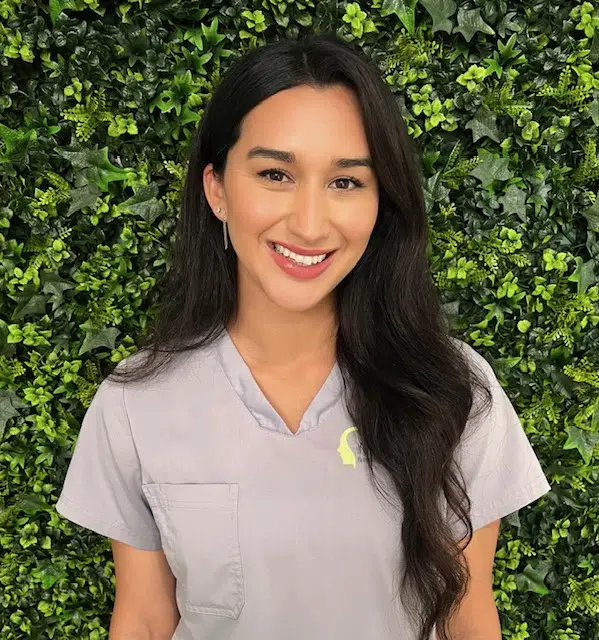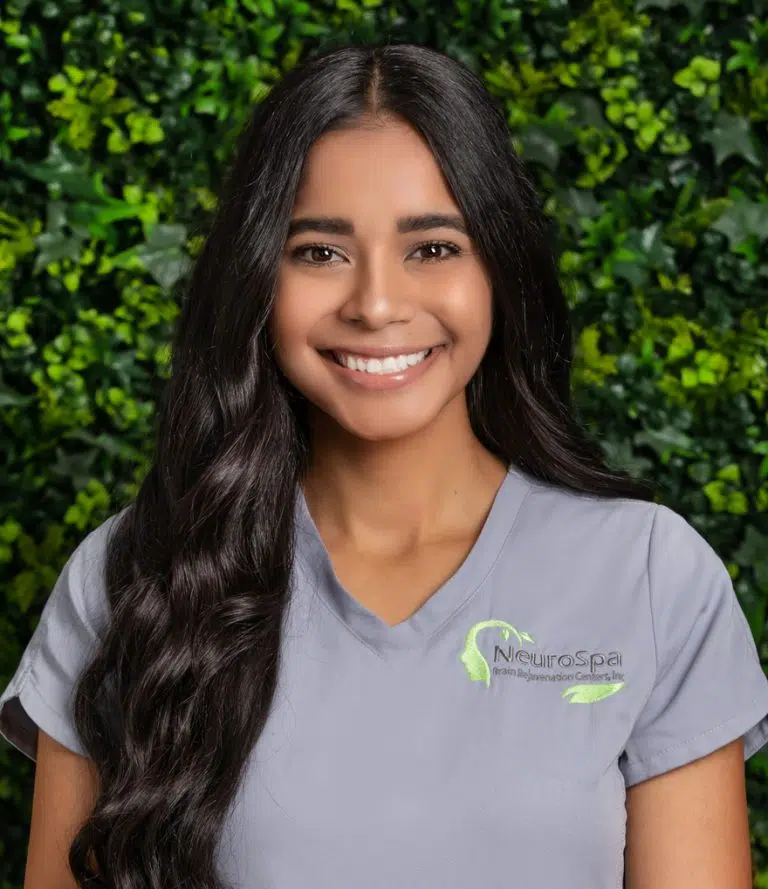

Neurospa Brain Rejuvenation Centers, Inc. was founded by Dr. A. Elahi, M.D. to meet the growing need for a modern approach towards diagnosing and treating neurological and neuropsychiatric conditions. While well versed in conventional strategies, at NeuroSpa, Dr. Elahi prefers use of evidence-based technological advances instead of outdated medication-centered approach to the practice of neurology and neuropsychiatry. Dr. Elahi is board-certified by the American Board of Psychiatry and Neurology (ABPN) and practicing neurology for nearly 20 years.
In addition to lecturing, authoring and publishing numerous peer-reviewed original research articles and textbook chapters on various topics including stroke, Guillain-Barré syndrome, migraine headaches, dementia, transcranial magnetic stimulation (TMS) applications in neurology, …etc., Dr. Elahi’s most recent career highlights include:
Dr. Elahi’s interests in the neurosciences grew starting from his experience at UCLA and University of Pittsburgh where he earned his bachelor’s in neuroscience. Early in his career and while earning his medical degree from University of Pittsburgh School of Medicine (UPMC), Dr. Elahi was a primary investigator in research project funded by the NIMH involving the neurobiology and neurochemistry of depression and dystonia. In addition, Dr. Elahi was involved in research activities of the biological and neurochemical alterations that lead to disorders such as depression, Parkinson’s, and dystonia. Throughout his career, Dr. Elahi has dedicated himself to provide the absolute best in patient care, precise diagnosis, and effective treatment of brain disorders.
Dr. Elahi grew up in southern California (primarily San Diego) and Pittsburgh, Pennsylvania. Outside of his dedication to patient care and neuroscience research, Dr. Elahi spends most of his ‘free time’ with his wife and son. He also enjoys engaging in sports including tennis and soccer, traveling, theater productions, and classical music concerts. In addition to English, Dr. Elahi speaks two other languages fluently including German and Persian.
NeuroSpa combines advanced neurological evaluation, individualized neuromodulation planning, close treatment monitoring, and a non-medication-focused care model when appropriate.
| Feature | NeuroSpa Brain Rejuvenation Centers | Most TMS Clinics | Most Psychiatry Offices | Most Neurology Clinics |
|---|---|---|---|---|
| Focus | NeuroSpaNeurological + psychiatric conditions | Primarily depression / OCD | Medication management | Diagnosis and management of cognitive disorders |
| Provider certification | Board-certified neurologist (ABPN) | Variable - board-certified psychiatrist | Variable - board-certified psychiatrist | Variable - internal medicine, neurology, geriatrics |
| Initial consultation time | 1-3 hours | 15-20 minutes | 20-30 minutes | 20-30 minutes |
| Diagnostic evaluation | Comprehensive neurological assessment + standard and digital cognitive evaluation | Often limited to psychiatric screening | Psychiatric evaluation | Cognitive and dementia workup |
| Treatment approach | Modern, individualized, data-driven non-medication treatments with neuromodulation, including TMS | Often standardized protocols with limited individualization | Medication trials +/- psychotherapy +/- ketamine | Medication trials +/- antibody infusions +/- cognitive training |
| MRI-guided targeting | Always - individualized treatment planning | Standard scalp measurements only | Not applicable | Not applicable |
| qEEG +/- fMRI brain imaging | Always | Rare | Rare | Rare |
| Accelerated TMS options | Available | Not universally offered | Usually not offered | Usually not offered |
| Treatment success rates* | >90% | 30-40% | 20-30% | Not applicable |
| Time to treatment completion | 5 days to 4 weeks | 6 weeks | 2-3 months vs. ongoing medication management | Not applicable |
| Close daily monitoring & treatment modification | Always | Not daily | Not daily | Not daily |
| Common conditions addressed | Depression, anxiety, OCD, insomnia, chronic pain, concussion, ADHD, Alzheimer’s disease, cognitive dysfunction | Primarily depression and OCD | Broad psychiatric conditions | MCI, dementia, Alzheimer’s disease |
| Medication approach | Non-medication-focused, when appropriate | Variable | Primarily medication-based | Primarily medication-based |
| Treatment customization | Individualized protocols | Standardized protocols | Medication-focused | Standard neurologic care |
| Access to advanced neuromodulation | Yes | Variable | Referral required | Referral required |
| Typical patient | Treatment-resistant, complex, cognitive, neurological, or performance-focused patients | Depression / OCD patients | General psychiatric patients | Memory-loss patients |
*Defined as 50% of greater improvement in symptoms or complete resolution